- Add missing details (numbers, operators, headcodes) when they aren’t in the video
- Get recognised for contributions with points & badges
- Save favourites and come back to vehicles you’re tracking
Class 31
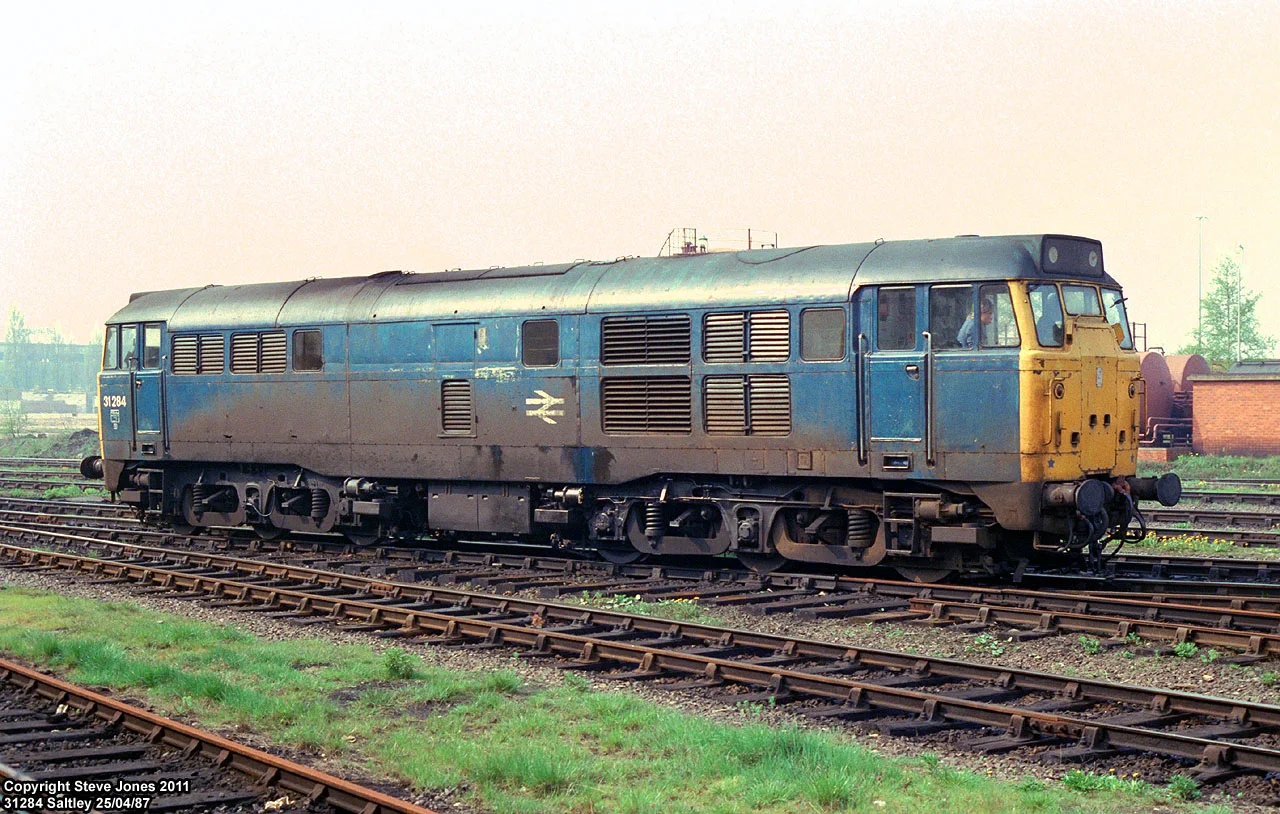
- Fuel Type Diesel
- Usage Mixed
- Regions Unknown
Links


| Class | Videos |
|---|---|
| 31001 | 6 |
| 31002 | 4 |
| 31003 | 1 |
| 31004 | 1 |
| 31005 | 2 |
| 31006 | 3 |
| 31007 | 2 |
| 31008 | 0 |
| 31009 | 3 |
| 31010 | 2 |
| 31011 | 2 |
| 31012 | 1 |
| 31013 | 0 |
| 31014 | 1 |
| 31015 | 4 |
| 31016 | 1 |
| 31017 | 3 |
| 31018 | 19 |
| 31019 | 2 |
| 31101 | 14 |
| 31102 | 8 |
| 31103 | 4 |
| 31104 31418 | 0 |
| 31105 | 19 |
| 31106 | 42 |
| 31107 | 8 |
| 31108 | 36 |
| 31109 | 3 |
| 31110 | 15 |
| 31111 | 6 |
| 31112 | 1 |
| 31113 | 3 |
| 31114 31453 | 2 |
| 31115 31466 | 1 |
| 31116 | 0 |
| 31117 | 0 |
| 31118 | 1 |
| 31119 | 3 |
| 31120 | 4 |
| 31121 | 4 |
| 31122 | 2 |
| 31123 | 6 |
| 31124 | 1 |
| 31125 | 5 |
| 31126 | 4 |
| 31127 | 3 |
| 31128 | 47 |
| 31129 31461 | 2 |
| 31130 | 23 |
| 31131 | 0 |
| 31132 | 2 |
| 31133 31450 | 0 |
| 31134 | 3 |
| 31135 | 0 |
| 31136 | 0 |
| 31137 31444 | 0 |
| 31138 | 0 |
| 31139 31438 | 1 |
| 31140 31421 | 1 |
| 31141 | 0 |
| 31142 | 1 |
| 31143 | 0 |
| 31144 | 2 |
| 31145 | 3 |
| 31146 | 4 |
| 31147 | 2 |
| 31148 31448 | 1 |
| 31149 | 2 |
| 31150 | 1 |
| 31151 31436 | 0 |
| 31152 | 3 |
| 31153 31432 | 0 |
| 31154 | 4 |
| 31155 | 0 |
| 31156 | 2 |
| 31157 31424 | 0 |
| 31158 | 6 |
| 31159 | 1 |
| 31160 | 4 |
| 31161 31400 | 2 |
| 31162 | 4 |
| 31163 | 16 |
| 31164 | 3 |
| 31165 | 2 |
| 31166 | 4 |
| 31167 | 1 |
| 31168 | 4 |
| 31169 31457 | 1 |
| 31170 | 1 |
| 31171 | 0 |
| 31172 31420 | 1 |
| 31173 | 0 |
| 31174 | 3 |
| 31175 | 2 |
| 31176 | 1 |
| 31177 31443 | 0 |
| 31178 | 1 |
| 31179 31435 | 0 |
| 31180 | 7 |
| 31181 | 1 |
| 31182 31437 | 1 |
| 31183 | 0 |
| 31184 | 1 |
| 31185 | 1 |
| 31186 31601 | 3 |
| 31187 | 2 |
| 31188 | 4 |
| 31189 | 0 |
| 31190 | 61 |
| 31191 31602 | 3 |
| 31192 | 0 |
| 31193 31426 | 0 |
| 31194 31427 | 0 |
| 31195 | 1 |
| 31196 | 1 |
| 31197 31423 | 1 |
| 31198 | 1 |
| 31199 | 0 |
| 31200 | 3 |
| 31201 | 11 |
| 31202 | 2 |
| 31203 | 8 |
| 31204 31440 | 0 |
| 31205 | 9 |
| 31206 | 16 |
| 31207 | 3 |
| 31208 | 4 |
| 31209 | 5 |
| 31210 | 5 |
| 31211 31428 | 4 |
| 31212 | 1 |
| 31213 31465 | 2 |
| 31214 | 1 |
| 31215 | 4 |
| 31216 31467 | 2 |
| 31217 | 1 |
| 31218 | 4 |
| 31219 | 9 |
| 31220 31441 | 2 |
| 31221 | 1 |
| 31222 | 1 |
| 31223 | 3 |
| 31224 | 1 |
| 31225 | 0 |
| 31226 | 1 |
| 31227 | 2 |
| 31228 31454 | 0 |
| 31229 | 4 |
| 31230 | 1 |
| 31231 | 3 |
| 31232 | 3 |
| 31233 | 63 |
| 31234 | 1 |
| 31235 | 6 |
| 31236 31433 | 0 |
| 31237 | 4 |
| 31238 | 2 |
| 31239 31439 | 2 |
| 31240 | 1 |
| 31241 | 0 |
| 31242 | 3 |
| 31243 | 0 |
| 31244 | 0 |
| 31245 | 0 |
| 31246 31455 | 0 |
| 31247 | 0 |
| 31248 | 1 |
| 31249 | 0 |
| 31250 | 4 |
| 31251 31442 | 2 |
| 31252 | 3 |
| 31253 31431 | 0 |
| 31254 | 2 |
| 31255 | 8 |
| 31256 31459 | 0 |
| 31257 | 1 |
| 31258 31434 | 1 |
| 31259 | 1 |
| 31260 | 2 |
| 31261 | 0 |
| 31262 | 0 |
| 31263 | 1 |
| 31264 | 1 |
| 31265 31430 | 0 |
| 31266 31460 | 0 |
| 31267 31419 | 0 |
| 31268 | 1 |
| 31269 31429 | 2 |
| 31270 | 18 |
| 31271 | 25 |
| 31272 | 1 |
| 31273 | 6 |
| 31274 31425 | 0 |
| 31275 | 1 |
| 31276 | 1 |
| 31277 31469 | 2 |
| 31278 | 0 |
| 31279 31452 | 1 |
| 31280 | 0 |
| 31281 | 1 |
| 31282 | 2 |
| 31283 | 2 |
| 31284 | 0 |
| 31285 | 43 |
| 31286 | 0 |
| 31287 | 0 |
| 31288 | 0 |
| 31289 | 10 |
| 31290 | 2 |
| 31291 31456 | 0 |
| 31292 | 0 |
| 31293 | 2 |
| 31294 | 3 |
| 31295 31447 | 1 |
| 31296 | 5 |
| 31297 31463 | 3 |
| 31298 | 0 |
| 31299 | 0 |
| 31300 31445 | 2 |
| 31301 | 4 |
| 31302 | 1 |
| 31303 31458 | 2 |
| 31304 | 0 |
| 31305 | 0 |
| 31306 | 6 |
| 31307 31449 | 1 |
| 31308 | 7 |
| 31309 | 1 |
| 31310 31422 | 1 |
| 31311 | 4 |
| 31312 | 2 |
| 31313 | 3 |
| 31314 | 0 |
| 31315 31462 | 0 |
| 31316 31446 | 1 |
| 31317 | 3 |
| 31318 31451 | 0 |
| 31319 | 2 |
| 31320 | 27 |
| 31321 31468 | 8 |
| 31322 | 4 |
| 31323 | 1 |
| 31324 | 4 |
| 31325 31464 | 1 |
| 31326 | 1 |
| 31327 | 9 |
| 31400 | 3 |
| 31401 | 5 |
| 31402 | 8 |
| 31403 | 3 |
| 31404 | 1 |
| 31405 | 7 |
| 31406 | 5 |
| 31407 | 5 |
| 31408 | 4 |
| 31409 | 4 |
| 31410 | 6 |
| 31411 | 5 |
| 31412 | 3 |
| 31413 | 2 |
| 31414 | 1 |
| 31415 | 3 |
| 31416 | 0 |
| 31417 | 4 |
| 31418 | 4 |
| 31419 | 4 |
| 31420 | 5 |
| 31421 | 11 |
| 31422 | 4 |
| 31423 | 3 |
| 31424 | 2 |
| 31425 | 4 |
| 31426 | 0 |
| 31427 | 2 |
| 31428 | 1 |
| 31429 | 0 |
| 31430 | 25 |
| 31431 | 3 |
| 31432 | 1 |
| 31433 | 1 |
| 31434 | 0 |
| 31435 | 4 |
| 31436 | 0 |
| 31437 | 3 |
| 31438 | 11 |
| 31439 | 6 |
| 31440 | 0 |
| 31441 | 1 |
| 31442 | 3 |
| 31443 | 2 |
| 31444 | 1 |
| 31445 | 1 |
| 31446 | 0 |
| 31447 | 0 |
| 31448 | 0 |
| 31449 | 0 |
| 31450 | 2 |
| 31451 | 1 |
| 31452 | 72 |
| 31453 | 3 |
| 31454 | 6 |
| 31455 | 6 |
| 31456 | 2 |
| 31457 | 3 |
| 31458 | 2 |
| 31459 | 14 |
| 31460 | 5 |
| 31461 | 5 |
| 31462 | 3 |
| 31463 | 6 |
| 31464 | 3 |
| 31465 | 42 |
| 31466 | 106 |
| 31467 | 0 |
| 31468 | 4 |
| 31469 | 0 |
| 31601 | 84 |
| 31602 | 27 |
| D5500 31018 | 2 |
| D5501 31001 | 0 |
| D5502 31002 | 0 |
| D5503 31003 | 0 |
| D5504 31004 | 0 |
| D5505 31005 | 0 |
| D5506 31006 | 0 |
| D5507 31007 | 0 |
| D5508 31008 | 0 |
| D5509 31009 | 0 |
| D5510 31010 | 0 |
| D5511 31011 | 2 |
| D5512 31012 | 0 |
| D5513 31013 | 0 |
| D5514 31014 | 0 |
| D5515 31015 | 3 |
| D5516 31016 | 0 |
| D5517 31017 | 0 |
| D5518 31101 | 3 |
| D5519 31019 | 1 |
| D5520 31102 | 0 |
| D5521 31103 | 0 |
| D5522 31418 | 0 |
| D5523 31105 | 0 |
| D5524 31106 | 0 |
| D5525 31107 | 0 |
| D5526 31108 | 0 |
| D5527 31109 | 1 |
| D5528 31110 | 3 |
| D5529 31111 | 0 |
| D5530 31112 | 0 |
| D5531 31113 | 0 |
| D5532 31453 | 0 |
| D5533 31466 | 0 |
| D5534 31116 | 0 |
| D5535 31117 | 0 |
| D5536 31118 | 0 |
| D5537 31119 | 0 |
| D5538 31120 | 0 |
| D5539 31121 | 0 |
| D5540 31122 | 0 |
| D5541 31123 | 0 |
| D5542 31124 | 0 |
| D5543 31125 | 0 |
| D5544 31126 | 0 |
| D5545 31127 | 0 |
| D5546 31128 | 0 |
| D5547 31461 | 0 |
| D5548 31130 | 0 |
| D5549 31131 | 0 |
| D5550 31132 | 0 |
| D5551 31450 | 0 |
| D5552 31134 | 0 |
| D5553 31135 | 0 |
| D5554 31136 | 0 |
| D5555 31444 | 0 |
| D5556 31138 | 0 |
| D5557 31438 | 2 |
| D5558 31421 | 0 |
| D5559 31141 | 0 |
| D5560 31142 | 0 |
| D5561 31143 | 0 |
| D5562 31144 | 0 |
| D5563 31145 | 0 |
| D5564 31146 | 0 |
| D5565 31147 | 0 |
| D5566 31448 | 2 |
| D5567 31149 | 0 |
| D5568 31150 | 0 |
| D5569 31436 | 0 |
| D5570 31152 | 0 |
| D5571 31432 | 1 |
| D5572 31154 | 1 |
| D5573 31155 | 0 |
| D5574 31156 | 0 |
| D5575 31424 | 0 |
| D5576 31158 | 0 |
| D5577 31159 | 1 |
| D5578 31160 | 0 |
| D5579 31400 | 0 |
| D5580 31162 | 8 |
| D5581 31163 | 2 |
| D5582 31164 | 0 |
| D5583 31165 | 1 |
| D5584 31166 | 0 |
| D5585 31167 | 0 |
| D5586 31168 | 0 |
| D5587 31457 | 0 |
| D5588 31170 | 0 |
| D5589 31401 | 0 |
| D5590 31171 | 0 |
| D5591 31420 | 0 |
| D5592 31402 | 0 |
| D5593 31173 | 0 |
| D5594 31174 | 0 |
| D5595 31175 | 0 |
| D5596 31403 | 0 |
| D5597 31176 | 0 |
| D5598 31443 | 1 |
| D5599 31178 | 0 |
| D5600 31435 | 1 |
| D5601 31180 | 0 |
| D5602 31181 | 0 |
| D5603 31437 | 1 |
| D5604 31183 | 0 |
| D5605 31404 | 0 |
| D5606 31405 | 0 |
| D5607 31184 | 0 |
| D5608 31185 | 0 |
| D5609 31186 | 0 |
| D5610 31187 | 0 |
| D5611 31188 | 0 |
| D5612 31189 | 0 |
| D5613 31190 | 32 |
| D5614 31191 | 0 |
| D5615 31192 | 0 |
| D5616 31406 | 0 |
| D5617 31426 | 1 |
| D5618 31427 | 0 |
| D5619 31195 | 0 |
| D5620 31196 | 0 |
| D5621 31423 | 0 |
| D5622 31198 | 0 |
| D5623 31199 | 0 |
| D5624 31200 | 0 |
| D5625 31201 | 0 |
| D5626 31202 | 0 |
| D5627 31203 | 5 |
| D5628 31440 | 0 |
| D5629 31205 | 0 |
| D5630 31206 | 0 |
| D5631 31207 | 2 |
| D5632 31208 | 0 |
| D5633 31209 | 0 |
| D5634 31210 | 0 |
| D5635 31428 | 0 |
| D5636 31212 | 0 |
| D5637 31465 | 0 |
| D5638 31214 | 0 |
| D5639 31215 | 0 |
| D5640 31407 | 0 |
| D5641 31467 | 0 |
| D5642 31217 | 0 |
| D5643 31218 | 0 |
| D5644 31219 | 0 |
| D5645 31441 | 0 |
| D5646 31408 | 0 |
| D5647 31221 | 0 |
| D5648 31222 | 0 |
| D5649 31223 | 0 |
| D5650 31224 | 0 |
| D5651 31225 | 0 |
| D5652 31226 | 0 |
| D5653 31227 | 0 |
| D5654 31454 | 0 |
| D5655 31229 | 0 |
| D5656 31409 | 0 |
| D5657 31230 | 0 |
| D5658 31231 | 0 |
| D5659 31232 | 0 |
| D5660 31233 | 0 |
| D5661 31234 | 0 |
| D5662 31235 | 0 |
| D5663 31433 | 0 |
| D5664 31237 | 0 |
| D5665 31238 | 0 |
| D5666 31439 | 0 |
| D5667 31240 | 0 |
| D5668 31241 | 0 |
| D5669 31410 | 0 |
| D5670 31242 | 0 |
| D5671 31243 | 0 |
| D5672 31244 | 0 |
| D5673 31245 | 0 |
| D5674 31455 | 0 |
| D5675 31247 | 0 |
| D5676 31248 | 0 |
| D5677 31249 | 2 |
| D5678 31250 | 0 |
| D5679 31442 | 0 |
| D5680 31252 | 0 |
| D5681 31431 | 0 |
| D5682 31254 | 0 |
| D5683 31255 | 0 |
| D5684 31459 | 0 |
| D5685 31257 | 0 |
| D5686 31434 | 0 |
| D5687 31259 | 0 |
| D5688 31260 | 0 |
| D5689 31261 | 0 |
| D5690 31262 | 0 |
| D5691 31411 | 0 |
| D5692 31412 | 0 |
| D5693 31263 | 0 |
| D5694 31264 | 0 |
| D5695 31430 | 0 |
| D5696 31460 | 0 |
| D5697 31419 | 0 |
| D5698 31268 | 0 |
| D5699 31429 | 0 |
| D5800 31270 | 0 |
| D5801 31271 | 0 |
| D5802 31272 | 0 |
| D5803 31273 | 0 |
| D5804 31425 | 0 |
| D5805 31275 | 0 |
| D5806 31276 | 0 |
| D5807 31469 | 1 |
| D5808 31278 | 0 |
| D5809 31452 | 0 |
| D5810 31280 | 0 |
| D5811 31281 | 0 |
| D5812 31413 | 0 |
| D5813 31282 | 1 |
| D5814 31414 | 1 |
| D5815 31283 | 0 |
| D5816 31284 | 0 |
| D5817 31285 | 1 |
| D5818 31286 | 0 |
| D5819 31287 | 0 |
| D5820 31288 | 0 |
| D5821 31289 | 0 |
| D5822 31290 | 0 |
| D5823 31456 | 0 |
| D5824 31415 | 0 |
| D5825 31292 | 0 |
| D5826 31293 | 0 |
| D5827 31294 | 1 |
| D5828 31447 | 0 |
| D5829 31296 | 0 |
| D5830 31463 | 13 |
| D5831 31298 | 3 |
| D5832 31299 | 0 |
| D5833 31445 | 0 |
| D5834 31301 | 0 |
| D5835 31302 | 0 |
| D5836 31458 | 0 |
| D5837 31304 | 0 |
| D5838 31305 | 0 |
| D5839 31306 | 0 |
| D5840 31449 | 0 |
| D5841 31308 | 0 |
| D5842 31416 | 0 |
| D5843 31309 | 0 |
| D5844 31422 | 0 |
| D5845 31311 | 0 |
| D5846 31312 | 0 |
| D5847 31313 | 0 |
| D5848 31314 | 0 |
| D5849 31462 | 0 |
| D5850 31446 | 0 |
| D5851 31317 | 0 |
| D5852 31451 | 0 |
| D5853 31319 | 0 |
| D5854 31320 | 0 |
| D5855 31468 | 0 |
| D5856 31417 | 0 |
| D5857 31322 | 0 |
| D5858 31323 | 0 |
| D5859 31324 | 0 |
| D5860 31464 | 0 |
| D5861 31326 | 0 |
| D5862 31327 | 1 |
Learn about the Class 31
British Rail Class 31
The British Rail Class 31, also known as the Brush Type 2, is a class of diesel-electric locomotive built for British Railways during the first major phase of dieselisation. Constructed by Brush Traction at Loughborough between 1957 and 1962, the class became one of the best-known medium-power British diesel types and earned a reputation as a flexible, widely deployed “general purpose” locomotive for secondary passenger trains, parcels, trip freight, engineers’ workings and a range of other duties.
A total of 263 locomotives was built. They were initially numbered D5500–D5699 and D5800–D5862, later becoming 31001–31970 under the TOPS numbering system. The earliest batch was briefly identified as Class 30 under TOPS because of its original engine type, with the rebuilt locomotives later standardised as Class 31 after re-engining.
Class 31s worked across most regions of British Rail over their long careers. Although the type was introduced primarily for the Eastern Region, it later became common on the North Eastern, London Midland and Western regions, and also saw regular use in Scotland and on cross-country or transferred duties as fleet needs changed. In preservation, the class has survived in large numbers and remains one of the most familiar diesel classes on heritage railways.
Background and procurement
British Rail’s Modernisation Plan created demand for new diesel locomotive types to replace steam traction on a broad range of duties. In the mid-1950s, BR adopted a “pilot scheme” approach, ordering multiple designs to evaluate performance and maintenance requirements under real operating conditions. The Brush Type 2 formed part of that wider push, aimed at creating a medium-power locomotive capable of handling mixed traffic and secondary passenger duties where a larger Type 4 would not be required.
Brush’s design drew on export experience and contemporary diesel-electric practice. The locomotive used a diesel engine driving a generator, with traction motors providing power to the axles. The chosen wheel arrangement was A1A-A1A, meaning each bogie had three axles but only the outer axles were powered. This reduced axle load and track forces compared with a fully powered Co-Co arrangement, and was intended to give adequate adhesion for the locomotive’s power rating while allowing broader route availability.
Construction and basic design
The Class 31 was built with a full-width body and cabs at each end, with central engine room and electrical compartments. It was a diesel-electric design and, as built, carried a Mirrlees JVS12T engine in the early period. The class used Brush electrical equipment and four traction motors (one on each powered axle).
The A1A-A1A arrangement made the class distinctive among BR diesels. In service, it contributed to the locomotive’s reputation as a capable but not exceptional hauler in difficult conditions, particularly on heavy freight starts where fully powered bogies could have an advantage. However, the layout also helped the class work over a wide range of routes and made it suitable for passenger work where high continuous tractive effort was less critical than reliable running and reasonable acceleration.
Early locomotives had external differences from later production. The first 20 locomotives, D5500–D5519, lacked the later headcode box arrangement above the cab windows. Enthusiasts later described these as “skinheads” because of the cleaner cab-front appearance. Over time, other equipment and body details also varied as the class was modified, rebuilt and refurbished.
Engines, re-engining and the change from Class 30 to Class 31
The defining technical story of the class is the replacement of the original Mirrlees engines. The early Mirrlees installations proved unsatisfactory in service, and British Rail pursued a programme to fit the type with English Electric 12SVT engines instead.
A successful trial installation led to a systematic re-engining programme across the fleet. Between the mid-1960s and late 1960s, the locomotives were progressively converted. This uplifted both reliability and the effective usefulness of the class, although power output was limited by what the existing electrical system could accept.
This programme also drove the confusing identity change in TOPS-era classification. The Mirrlees-engined examples were initially recorded under Class 30, while re-engined locomotives were treated as Class 31. As rebuilding progressed, the fleet consolidated into the Class 31 identity, and “Class 30” became a brief historical footnote rather than a continuing subtype.
Subclasses and variations
In practice, several subclasses and operational variants existed, reflecting equipment and role changes.
Class 31/0
The first batch is often grouped as 31/0, including locomotives with early control equipment and the most distinctive external appearance. Many of these were withdrawn earlier than the main fleet because they were more non-standard.
Class 31/1
The main production standard became 31/1, representing the bulk of the fleet in general-purpose condition. These locomotives were widely used on passenger, parcels and freight work.
Class 31/4 and ETH capability
A later and operationally important variation was the 31/4, fitted with Electric Train Heating (ETH) equipment. This allowed the locomotives to heat electric-heated coaching stock, expanding passenger usefulness in an era when steam heating was disappearing. ETH-fitted locomotives became more valuable for passenger duties, charters and certain departmental roles.
Departmental and other modifications
Over time, some locomotives were modified for departmental and specialist work, including route learning, test trains, engineers’ duties and conversions to other TOPS categories. A small number were classified under other series for departmental reasons, reflecting how BR managed specialist fleets.
Allocation and operating regions
The class was initially closely associated with the Eastern Region, with early allocations to depots such as Stratford and March. In the early years, they were used on a variety of passenger and parcels duties in East Anglia and North East London, and they also worked freights where their power and availability suited.
Over time, the Class 31’s operational geography expanded significantly:
- Eastern Region: secondary passenger trains, parcels, and trip freights, plus empty coaching stock moves in the London area and East Anglia.
- North Eastern Region: mixed-traffic duties and secondary passenger work, including services on routes where steam was being eliminated.
- London Midland Region: passenger and freight duties, including services in the Midlands and north-west where the class could substitute for other types.
- Western Region: later use included empty coaching stock work and secondary passenger duties, particularly as locomotives moved between regions in response to fleet needs.
This wide spread of use is one reason the class became so familiar. Many diesel classes had strong “home” regions, but the Class 31 increasingly became a locomotive you could see almost anywhere on the network, especially on less glamorous trains.
Passenger duties
The Class 31 was never a flagship express locomotive. Its passenger role was mainly on:
- secondary and stopping services
- cross-country diagrams where moderate power was acceptable
- empty coaching stock moves
- holiday extras and seasonal trains
- later, charter and railtour work
In the pre-ETH period, the class used steam heating for coaching stock, and in later years ETH-fitted 31/4s extended usefulness on passenger operations. As the passenger coaching stock fleet modernised, ETH became an important discriminator between locomotives that could still work passenger diagrams and those largely confined to freight or departmental roles.
Class 31s were also used with multiple working systems (notably the Blue Star system on many locomotives), allowing double-heading and occasional multi-loco freight or passenger arrangements. While not as common as on some other classes, this capability supported flexible use in busy areas and during shortages.
Freight and parcels work
Freight use formed a substantial part of the class’s career, though the locomotive’s power meant it was generally used on lighter or medium freight duties rather than the heaviest block trains. Common freight and parcels roles included:
- trip freights and local distribution work
- parcels and newspaper trains
- departmental trains and engineers’ workings
- wagonload services and pick-up goods
- occasional heavier freights where multiple locomotives could be used, or where gradients and timings allowed
In the late BR period, as wagonload freight declined and freight sectors changed, Class 31s often remained useful because they were paid off, well understood, and capable of covering a wide variety of “odd job” duties that did not justify newer or larger locomotives.
The class in the sectorisation and privatisation eras
During the sectorisation era, Class 31s appeared in a wide range of liveries aligned with passenger and freight sectors. The class became strongly associated with the everyday railway rather than prestige sectors, although individual locomotives and regions could produce distinctive appearances and roles.
In the privatisation era, the class’s main line role shrank but did not disappear immediately. Individual locomotives moved through several commercial and leasing arrangements, appearing with operators and owners involved in infrastructure, charter, and short-notice cover. A small number remained active for specialist duties long after the class had ceased to be a mainstream BR workhorse.
Withdrawals began relatively early for the most non-standard locomotives, but the class as a whole had a long tail of service. The final main line withdrawals took place in the 2010s, depending on operator, overhaul condition, and demand for heritage and special workings.
Nicknames and cultural profile
Class 31s accumulated a range of informal nicknames over their careers. Some were linked to sound, appearance, or early control arrangements. While nicknames are not central to the technical history, they reflect how familiar the class became to railway staff and enthusiasts.
The class’s cultural profile also benefited from its ubiquity. Unlike rarer locomotives that became famous for novelty, the Class 31 became well known because it was routinely seen on ordinary trains in many regions for decades.
Preservation and surviving examples
Preservation of the Class 31 has been notably successful. Dozens of locomotives survive, and the class remains common on heritage railways. Preservation has taken several forms:
- locomotives maintained for heritage line use, including passenger and demonstration services
- locomotives restored for main line charter work (where equipment and certification allow)
- static or long-term restoration projects, often used for spares support and future overhaul planning
A key preserved example is D5500 (later 31018), the first of the class, which survives in the national collection. This locomotive is significant as a representative early Brush Type 2 and a tangible link to the first phase of BR pilot scheme dieselisation.
A1A Locomotives Ltd and organised preservation
One of the best-known dedicated Class 31 preservation organisations is A1A Locomotives Ltd, which describes itself as a Class 31 preservation body and operates and maintains multiple locomotives. The group has a long-running association with the type and has preserved locomotives in both unrefurbished and refurbished forms, reflecting different eras of Class 31 service.
Groups like A1A Locomotives illustrate an important reality of preserving mid-century diesel traction. Sustaining a large locomotive class requires secure sites, engineering capability, and long-term parts planning. The Class 31 has benefited from being built in significant numbers, which increases parts availability and donor potential, and from continued enthusiast interest that supports restoration work.
Heritage railway examples
Class 31s are widely spread across heritage lines. Many railways value them because they are powerful enough for passenger service, relatively compact compared with some larger Type 4 locomotives, and practical for routine operation. The type’s long BR career also means that it suits a wide range of heritage themes, from early dieselisation to late BR regional and sectorisation periods.
Historical significance and legacy
The British Rail Class 31 is historically important for several reasons.
-
A major early diesel class: It was built during the decisive early phase of BR dieselisation and formed part of the pilot scheme era that shaped later procurement decisions.
-
A long-lived mixed-traffic workhorse: Few diesel classes matched the Class 31’s breadth of routine duties across passenger, parcels, freight and departmental work over such a long period.
-
A clear example of BR rebuilding policy: The transition from Mirrlees engines and the “Class 30” identity to the re-engined Class 31 fleet shows how BR adapted and standardised early diesel types to improve reliability and reduce non-standard maintenance burdens.
-
Strong preservation outcome: With a large number preserved, the Class 31 is one of the best-represented BR diesel classes in heritage operation, ensuring the type remains visible and operational for modern audiences.
In summary, the Class 31 was not a locomotive built for glamour. It was built to do everyday work across a changing railway. That is also why it became one of the most familiar diesels of the British Rail era, and why it continues to be a mainstay of diesel operation in preservation.