- Add missing details (numbers, operators, headcodes) when they aren’t in the video
- Get recognised for contributions with points & badges
- Save favourites and come back to vehicles you’re tracking
All train classes · Diesel traction
Class 37
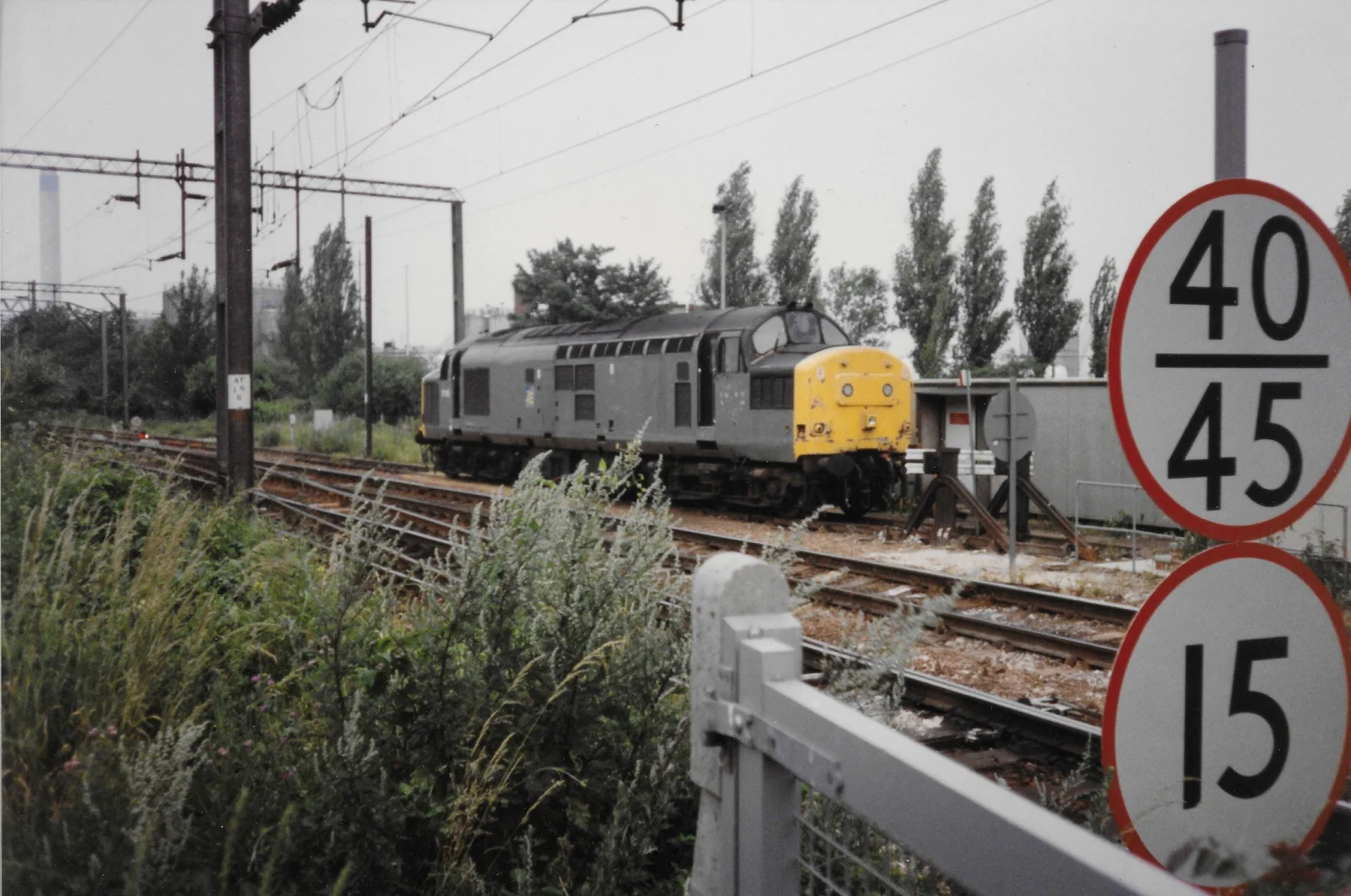
Summary
- Vehicle entries 818
- Indexed videos 12829
- Stock type Locomotive
- Power source Diesel
- Most indexed vehicle 37418 (978 appearances)
- Builder English Electric / Vulcan Foundry / Robert Stephenson & Hawthorns
- Built 1960–1965
- Introduced 1960
- Wheel arrangement Co-Co
- Top speed 90 mph
Links


| Locomotive number | Video appearances |
|---|---|
| 37001 37707 | 56 |
| 37002 37351 | 31 |
| 37003 | 31 |
| 37004 | 53 |
| 37005 37601 | 26 |
| 37006 37798 | 20 |
| 37007 37604 | 42 |
| 37008 37352 | 37 |
| 37009 37340 | 63 |
| 37010 | 47 |
| 37011 | 27 |
| 37012 | 23 |
| 37013 | 7 |
| 37014 37709 | 6 |
| 37015 37341 | 16 |
| 37016 37706 | 3 |
| 37017 37503 | 3 |
| 37018 37517 | 4 |
| 37019 37342 | 8 |
| 37020 37702 | 3 |
| 37021 37715 | 2 |
| 37022 37608 | 7 |
| 37023 | 16 |
| 37024 37714 | 8 |
|
37025
Inverness TMD
|
185 |
| 37026 37320 | 11 |
| 37027 37519 | 6 |
| 37028 37505 | 4 |
| 37029 D6729 | 45 |
| 37030 37701 | 20 |
| 37031 | 22 |
| 37032 37353 | 12 |
| 37033 37719 | 15 |
| 37034 37704 | 6 |
| 37035 | 9 |
| 37036 37605 | 13 |
| 37037 37321 | 12 |
| 37038 | 156 |
| 37039 37603 | 13 |
| 37040 | 9 |
| 37041 37520 | 2 |
| 37042 | 14 |
| 37043 37354 | 5 |
| 37044 37710 | 4 |
| 37045 37355 | 2 |
| 37046 | 7 |
| 37047 | 15 |
| 37048 | 5 |
| 37049 37343 | 5 |
| 37050 37717 | 19 |
| 37051 | 12 |
| 37052 37713 | 4 |
| 37053 37344 | 6 |
| 37054 | 6 |
| 37055 | 15 |
| 37056 37513 | 2 |
|
37057
Barbara Arbon
|
279 |
| 37058 | 13 |
| 37059 | 251 |
| 37060 37705 | 23 |
| 37061 37799 | 6 |
| 37062 | 7 |
| 37063 | 15 |
| 37064 37515 | 9 |
| 37065 | 15 |
| 37066 | 9 |
| 37067 37703 | 31 |
| 37068 37356 | 16 |
| 37069 | 244 |
| 37070 | 2 |
| 37071 | 4 |
| 37072 | 1 |
| 37073 | 4 |
| 37074 | 4 |
| 37075 | 56 |
| 37076 37518 | 8 |
| 37077 | 7 |
| 37078 | 6 |
| 37079 37357 | 9 |
| 37080 | 11 |
| 37081 37797 | 8 |
| 37082 37602 | 3 |
| 37083 | 3 |
| 37084 37718 | 65 |
| 37085 37711 | 1 |
| 37086 37516 | 2 |
| 37087 | 61 |
| 37088 37323 | 7 |
| 37089 37708 | 22 |
| 37090 37606 | 14 |
| 37091 37358 | 2 |
| 37092 | 10 |
| 37093 37509 | 7 |
| 37094 37716 | 1 |
| 37095 | 3 |
| 37096 | 4 |
| 37097 | 4 |
| 37098 | 7 |
| 37099 37324 | 299 |
| 37100 97301 | 22 |
| 37101 37345 | 12 |
| 37102 37712 | 3 |
| 37103 37607 | 7 |
| 37104 | 12 |
| 37105 37796 | 7 |
| 37106 | 13 |
| 37107 | 19 |
| 37108 37325 | 11 |
| 37109 | 85 |
| 37110 | 26 |
| 37111 37326 | 4 |
| 37112 37510 | 6 |
| 37113 | 10 |
| 37114 | 18 |
| 37115 37609 | 37 |
| 37116 | 316 |
| 37117 37521 | 9 |
| 37118 37359 | 31 |
| 37119 37350 | 6 |
| 37120 37887 | 4 |
| 37121 37677 | 5 |
| 37122 37692 | 4 |
| 37123 37679 | 7 |
| 37124 37894 | 10 |
| 37125 37904 | 6 |
| 37126 37676 | 0 |
| 37127 37370 | 2 |
| 37128 37330 | 8 |
| 37129 37669 | 8 |
| 37130 37681 | 4 |
| 37131 | 4 |
| 37132 37673 | 2 |
| 37133 | 17 |
| 37134 37684 | 5 |
| 37135 37888 | 3 |
| 37136 37905 | 6 |
| 37137 37312 | 7 |
| 37138 | 2 |
| 37139 | 4 |
| 37140 | 4 |
| 37141 | 11 |
| 37142 | 19 |
| 37143 37800 | 2 |
| 37144 | 6 |
| 37145 37382 | 5 |
| 37146 | 6 |
| 37147 37371 | 1 |
| 37148 37902 | 2 |
| 37149 37892 | 5 |
| 37150 37901 | 14 |
| 37151 37667 | 3 |
| 37152 37310 | 13 |
| 37153 | 7 |
| 37154 | 14 |
| 37155 37897 | 1 |
| 37156 37311 | 5 |
| 37157 37695 | 9 |
| 37158 | 14 |
| 37159 37372 | 5 |
| 37160 37373 | 3 |
| 37161 37899 | 3 |
| 37162 | 6 |
| 37163 37802 | 3 |
| 37164 37675 | 1 |
| 37165 37374 | 5 |
| 37166 37891 | 2 |
| 37167 37383 | 5 |
| 37168 37890 | 3 |
| 37169 37674 | 2 |
| 37170 97302 | 17 |
| 37171 37611 | 14 |
| 37172 37686 | 3 |
| 37173 37801 | 31 |
| 37174 | 10 |
| 37175 | 523 |
| 37176 37883 | 21 |
| 37177 37885 | 2 |
| 37178 97303 | 25 |
| 37179 37612 | 28 |
| 37180 37886 | 5 |
| 37181 37610 | 0 |
| 37182 37670 | 1 |
| 37183 37884 | 4 |
| 37184 | 6 |
| 37185 | 7 |
| 37186 37898 | 0 |
| 37187 37683 | 0 |
| 37188 | 4 |
| 37189 37672 | 0 |
| 37190 37314 | 29 |
| 37191 | 11 |
| 37192 37694 | 0 |
| 37193 37375 | 5 |
| 37194 | 107 |
| 37195 37689 | 0 |
| 37196 | 5 |
| 37197 | 24 |
| 37198 | 13 |
| 37199 37376 | 5 |
| 37200 37377 | 8 |
| 37201 | 13 |
| 37202 37331 | 3 |
| 37203 | 7 |
| 37204 37378 | 9 |
| 37205 37688 | 3 |
| 37206 37906 | 2 |
| 37207 | 9 |
| 37208 37803 | 4 |
| 37209 | 5 |
| 37210 37693 | 80 |
| 37211 | 26 |
| 37212 | 8 |
| 37213 | 19 |
| 37214 | 16 |
| 37215 | 98 |
| 37216 | 41 |
| 37217 97304 | 7 |
| 37218 | 431 |
|
37219
Jonty Jarvis
|
397 |
| 37220 | 5 |
| 37221 | 10 |
| 37222 | 4 |
| 37223 | 12 |
| 37224 37680 | 2 |
| 37225 | 9 |
| 37226 37379 | 1 |
| 37227 | 44 |
| 37228 37696 | 3 |
|
37229
Jonty Jarvis
|
53 |
| 37230 | 10 |
| 37231 37896 | 0 |
| 37232 | 4 |
| 37233 37889 | 3 |
| 37234 37685 | 11 |
| 37235 | 3 |
| 37236 37682 | 0 |
| 37237 37893 | 0 |
| 37238 | 5 |
| 37239 37332 | 6 |
|
37240
Tractor
|
260 |
| 37241 | 3 |
| 37242 | 8 |
| 37243 37697 | 3 |
| 37244 | 2 |
| 37245 | 5 |
| 37246 37698 | 2 |
| 37247 37671 | 1 |
| 37248 | 49 |
| 37249 37903 | 4 |
| 37250 | 131 |
| 37251 | 21 |
| 37252 | 6 |
| 37253 37699 | 19 |
|
37254
Cardiff Canton
|
377 |
| 37255 | 18 |
| 37256 37678 | 5 |
| 37257 37668 | 2 |
| 37258 37384 | 8 |
| 37259 37380 | 249 |
| 37260 | 6 |
| 37261 | 82 |
| 37262 | 9 |
| 37263 | 155 |
| 37264 | 79 |
| 37265 37430 | 7 |
| 37266 37422 | 12 |
| 37267 37421 | 3 |
|
37268
Great Rocks
37401
|
4 |
| 37269 37417 | 11 |
| 37270 37409 | 4 |
| 37271 37418 | 0 |
| 37272 37431 | 2 |
| 37273 37410 | 2 |
| 37274 37402 | 8 |
| 37275 | 18 |
| 37276 37413 | 1 |
| 37277 37415 | 2 |
| 37278 | 0 |
| 37279 37558 | 0 |
| 37280 | 2 |
| 37281 37428 | 9 |
| 37282 37405 | 1 |
| 37283 37895 | 34 |
| 37284 37381 | 10 |
| 37285 37335 | 3 |
| 37286 37404 | 1 |
| 37287 37414 | 0 |
| 37288 37427 | 0 |
| 37289 37408 | 6 |
| 37290 37411 | 6 |
| 37291 37419 | 2 |
| 37292 37425 | 1 |
| 37293 | 7 |
| 37294 | 11 |
| 37295 37406 | 1 |
| 37296 37423 | 2 |
| 37297 37420 | 2 |
| 37298 | 8 |
| 37299 37426 | 6 |
| 37300 37429 | 11 |
| 37301 37412 | 17 |
| 37302 37416 | 7 |
| 37303 37333 | 7 |
| 37304 37334 | 7 |
| 37305 37407 | 8 |
| 37306 37273 | 12 |
| 37307 37403 | 6 |
| 37308 37274 | 54 |
| 37310 | 35 |
| 37311 | 4 |
| 37312 | 7 |
| 37313 37382 | 5 |
| 37314 | 7 |
| 37320 | 3 |
| 37321 | 5 |
| 37322 37343 | 3 |
| 37323 | 1 |
| 37324 | 27 |
| 37325 | 0 |
| 37326 | 0 |
| 37330 | 2 |
| 37331 | 0 |
| 37332 | 1 |
| 37333 | 1 |
| 37334 | 3 |
| 37335 | 0 |
| 37340 | 2 |
| 37341 | 0 |
| 37342 | 0 |
| 37343 | 1 |
| 37344 | 1 |
| 37345 | 0 |
| 37350 | 16 |
| 37351 | 6 |
| 37352 | 0 |
| 37353 | 0 |
| 37354 | 2 |
| 37355 | 1 |
| 37356 | 0 |
| 37357 | 0 |
| 37358 | 1 |
| 37359 | 2 |
| 37370 | 7 |
| 37371 | 7 |
| 37372 | 13 |
| 37373 | 1 |
| 37374 | 0 |
| 37375 | 10 |
| 37376 | 7 |
| 37377 | 5 |
| 37378 | 2 |
| 37379 | 10 |
| 37380 | 2 |
| 37381 | 4 |
| 37382 | 0 |
| 37383 | 0 |
| 37384 | 8 |
|
37401
Mary Queen Of Scots
|
344 |
|
37402
Oor Wullie
|
450 |
|
37403
Isle Of Mull
|
244 |
| 37404 | 16 |
| 37405 | 411 |
| 37406 | 54 |
| 37407 | 364 |
| 37408 | 103 |
|
37409
Loch Awe
|
433 |
| 37410 | 80 |
| 37411 | 90 |
| 37412 | 71 |
| 37413 | 44 |
| 37414 | 20 |
|
37415
Mt Etna
|
75 |
| 37416 | 37 |
| 37417 | 56 |
|
37418
An Comunn Gaidhealach
|
978 |
| 37419 | 403 |
| 37420 | 72 |
| 37421 | 369 |
|
37422
Pegasus
|
295 |
|
37423
Perseus
|
438 |
| 37424 37558 | 183 |
|
37425
Concrete Bob
|
628 |
| 37426 | 44 |
| 37427 | 74 |
| 37428 | 60 |
| 37429 | 54 |
| 37430 | 25 |
| 37431 | 17 |
|
37501
Teesside Steelmaster
37601
|
292 |
| 37502 37602 | 8 |
| 37503 | 21 |
| 37504 37603 | 12 |
| 37505 | 8 |
| 37506 37604 | 12 |
| 37507 37605 | 11 |
| 37508 37606 | 148 |
| 37509 | 23 |
|
37510
Orion
|
393 |
| 37511 37607 | 10 |
|
37512
Thornaby Demon
37608
|
103 |
| 37513 | 12 |
| 37514 37609 | 14 |
| 37515 | 9 |
|
37516
Loch Laidon
|
211 |
| 37517 | 17 |
| 37518 | 143 |
| 37519 | 13 |
| 37520 | 11 |
| 37521 | 295 |
| 37558 | 81 |
|
37601
Perseus
|
435 |
| 37602 | 245 |
| 37603 | 218 |
| 37604 | 200 |
| 37605 | 258 |
| 37606 | 291 |
| 37607 | 388 |
|
37608
Andromeda
|
457 |
| 37609 | 300 |
| 37610 | 517 |
|
37611
Pegasus
|
558 |
| 37612 | 366 |
|
37667
Flopsie
|
354 |
|
37668
Wcr
|
200 |
| 37669 | 172 |
| 37670 | 26 |
| 37671 | 27 |
| 37672 | 9 |
| 37673 | 14 |
| 37674 | 26 |
| 37675 | 9 |
|
37676
Loch Rannoch
|
114 |
| 37677 | 7 |
| 37678 | 9 |
| 37679 | 10 |
| 37680 | 26 |
| 37681 | 2 |
| 37682 | 93 |
| 37683 | 16 |
| 37684 | 80 |
|
37685
Loch Arkaig
|
137 |
| 37686 | 17 |
| 37687 37610 | 19 |
|
37688
Great Rocks
|
341 |
| 37689 | 15 |
| 37690 37611 | 7 |
| 37691 37612 | 1 |
| 37692 | 14 |
| 37693 | 5 |
| 37694 | 9 |
| 37695 | 9 |
| 37696 | 7 |
| 37697 | 8 |
| 37698 | 11 |
| 37699 | 4 |
| 37701 | 18 |
| 37702 | 12 |
| 37703 | 49 |
| 37704 | 18 |
| 37705 | 9 |
| 37706 | 337 |
| 37707 | 10 |
| 37708 | 12 |
| 37709 | 5 |
| 37710 | 55 |
| 37711 | 26 |
| 37712 | 30 |
| 37713 | 17 |
|
37714
Cardiff Canton
|
113 |
| 37715 | 30 |
| 37716 | 184 |
| 37717 | 16 |
| 37718 | 25 |
| 37719 | 16 |
| 37796 | 17 |
| 37797 | 4 |
| 37798 | 19 |
| 37799 | 11 |
|
37800
Cassiopeia
|
666 |
| 37801 | 45 |
| 37802 | 26 |
| 37803 | 38 |
| 37883 | 10 |
|
37884
Cepheus
|
776 |
| 37885 | 8 |
| 37886 | 6 |
| 37887 | 11 |
| 37888 | 12 |
| 37889 | 6 |
| 37890 | 8 |
| 37891 | 4 |
| 37892 | 11 |
| 37893 | 6 |
| 37894 | 17 |
| 37895 | 14 |
| 37896 | 16 |
| 37897 | 7 |
| 37898 | 13 |
| 37899 | 8 |
|
37901
Mirrlees Pioneer
|
280 |
| 37902 | 10 |
| 37903 | 10 |
| 37904 | 6 |
| 37905 | 24 |
| 37906 | 44 |
| 97301 | 0 |
| 97302 | 0 |
| 97303 | 0 |
| 97304 | 0 |
| D6600 37429 | 2 |
| D6601 37412 | 0 |
| D6602 37416 | 1 |
| D6603 37333 | 0 |
| D6604 37334 | 0 |
| D6605 37407 | 2 |
| D6606 37273 | 1 |
| D6607 37403 | 7 |
| D6608 37274 | 2 |
| D6700 37350 | 126 |
| D6701 37707 | 2 |
| D6702 37351 | 1 |
| D6703 37003 | 2 |
| D6704 37004 | 1 |
| D6705 37601 | 0 |
| D6706 37798 | 1 |
| D6707 37604 | 0 |
| D6708 37352 | 2 |
| D6709 37340 | 0 |
| D6710 37010 | 0 |
| D6711 37011 | 0 |
| D6712 37012 | 1 |
| D6713 37013 | 0 |
| D6714 37709 | 0 |
| D6715 37341 | 0 |
| D6716 37706 | 0 |
| D6717 37503 | 0 |
| D6718 37517 | 0 |
| D6719 37342 | 0 |
| D6720 37702 | 0 |
| D6721 37715 | 0 |
| D6722 37608 | 3 |
| D6723 37023 | 2 |
| D6724 37714 | 4 |
| D6725 37025 | 2 |
| D6726 37320 | 0 |
| D6727 37519 | 0 |
| D6728 37505 | 2 |
| D6729 | 18 |
| D6730 37701 | 0 |
| D6731 37031 | 0 |
| D6732 37353 | 44 |
| D6733 37719 | 0 |
| D6734 37704 | 0 |
| D6735 37035 | 0 |
| D6736 37605 | 0 |
| D6737 37321 | 3 |
| D6738 37038 | 0 |
| D6739 37603 | 1 |
| D6740 37040 | 0 |
| D6741 37520 | 0 |
| D6742 37042 | 0 |
| D6743 37354 | 0 |
| D6744 37710 | 0 |
| D6745 37355 | 0 |
| D6746 37046 | 0 |
| D6747 37047 | 0 |
| D6748 37048 | 2 |
| D6749 37343 | 0 |
| D6750 37717 | 0 |
| D6751 37051 | 0 |
| D6752 37713 | 0 |
| D6753 37344 | 1 |
| D6754 37054 | 1 |
| D6755 37055 | 0 |
| D6756 37513 | 0 |
| D6757 37057 | 43 |
| D6758 37058 | 0 |
| D6759 37059 | 0 |
| D6760 37705 | 0 |
| D6761 37799 | 1 |
| D6762 37062 | 0 |
| D6763 37063 | 0 |
| D6764 37515 | 0 |
| D6765 37065 | 0 |
| D6766 37066 | 0 |
| D6767 37703 | 0 |
| D6768 37356 | 0 |
| D6769 37069 | 0 |
| D6770 37070 | 0 |
| D6771 37071 | 0 |
| D6772 37072 | 0 |
| D6773 37073 | 0 |
| D6774 37074 | 0 |
| D6775 37075 | 0 |
| D6776 37518 | 1 |
| D6777 37077 | 0 |
| D6778 37078 | 0 |
| D6779 37357 | 0 |
| D6780 37080 | 0 |
| D6781 37797 | 0 |
| D6782 37602 | 1 |
| D6783 37083 | 1 |
| D6784 37718 | 0 |
| D6785 37711 | 0 |
| D6786 37516 | 0 |
| D6787 37087 | 0 |
| D6788 37323 | 0 |
| D6789 37708 | 0 |
| D6790 37606 | 1 |
| D6791 37358 | 0 |
| D6792 37092 | 0 |
| D6793 37509 | 0 |
| D6794 37716 | 0 |
| D6795 37095 | 0 |
| D6796 37096 | 0 |
| D6797 37097 | 0 |
| D6798 37098 | 0 |
| D6799 37324 | 2 |
| D6800 97301 | 0 |
| D6801 37345 | 2 |
| D6802 37712 | 0 |
| D6803 37607 | 0 |
| D6804 37104 | 0 |
| D6805 37796 | 0 |
| D6806 37106 | 0 |
| D6807 37107 | 1 |
| D6808 37325 | 0 |
| D6809 37109 | 0 |
| D6810 37110 | 0 |
| D6811 37326 | 0 |
| D6812 37510 | 1 |
| D6813 37113 | 0 |
| D6814 37114 | 1 |
| D6815 37609 | 0 |
| D6816 37116 | 0 |
| D6817 37521 | 143 |
| D6818 37359 | 0 |
| D6819 37895 | 0 |
| D6820 37887 | 0 |
| D6821 37677 | 0 |
| D6822 37692 | 0 |
| D6823 37679 | 0 |
| D6824 37894 | 0 |
| D6825 37904 | 0 |
| D6826 37676 | 0 |
| D6827 37370 | 1 |
| D6828 37330 | 0 |
| D6829 37669 | 1 |
| D6830 37681 | 0 |
| D6831 37131 | 1 |
| D6832 37673 | 0 |
| D6833 37133 | 0 |
| D6834 37684 | 0 |
| D6835 37888 | 1 |
| D6836 37905 | 9 |
| D6837 37312 | 0 |
| D6838 37138 | 0 |
| D6839 37139 | 0 |
| D6840 37140 | 0 |
| D6841 37141 | 0 |
| D6842 37142 | 0 |
| D6843 37800 | 1 |
| D6844 37144 | 0 |
| D6845 37382 | 0 |
| D6846 37146 | 0 |
| D6847 37371 | 0 |
| D6848 37902 | 6 |
| D6849 37892 | 0 |
| D6850 37901 | 3 |
|
D6851
Flopsie
37667
|
162 |
| D6852 37310 | 0 |
| D6853 37153 | 0 |
| D6854 37154 | 1 |
| D6855 37897 | 0 |
| D6856 37311 | 0 |
| D6857 37695 | 2 |
| D6858 37158 | 0 |
| D6859 37372 | 0 |
| D6860 37373 | 2 |
| D6861 37899 | 1 |
| D6862 37162 | 0 |
| D6863 37802 | 0 |
| D6864 37675 | 0 |
| D6865 37374 | 0 |
| D6866 37891 | 0 |
| D6867 37383 | 0 |
| D6868 37890 | 0 |
| D6869 37674 | 0 |
| D6870 97302 | 0 |
| D6871 37611 | 0 |
| D6872 37686 | 0 |
| D6873 37801 | 1 |
| D6874 37174 | 0 |
| D6875 37175 | 6 |
| D6876 37883 | 0 |
| D6877 37885 | 0 |
| D6878 97303 | 0 |
| D6879 37612 | 0 |
| D6880 37886 | 0 |
| D6881 37610 | 3 |
| D6882 37670 | 0 |
| D6883 37884 | 2 |
| D6884 37184 | 0 |
| D6885 37185 | 0 |
| D6886 37898 | 0 |
| D6887 37683 | 0 |
| D6888 37188 | 0 |
| D6889 37672 | 0 |
| D6890 37314 | 0 |
| D6891 37191 | 0 |
| D6892 37694 | 0 |
| D6893 37375 | 0 |
| D6894 37194 | 0 |
| D6895 37689 | 0 |
| D6896 37196 | 1 |
| D6897 37197 | 0 |
| D6898 37198 | 3 |
| D6899 37376 | 0 |
| D6900 37377 | 1 |
| D6901 37201 | 0 |
| D6902 37331 | 0 |
| D6903 37203 | 0 |
| D6904 37378 | 0 |
| D6905 37688 | 2 |
| D6906 37906 | 0 |
| D6907 37207 | 0 |
| D6908 37803 | 0 |
| D6909 37209 | 0 |
| D6910 37693 | 0 |
| D6911 37211 | 0 |
| D6912 37212 | 0 |
| D6913 37213 | 0 |
| D6914 37214 | 0 |
| D6915 37215 | 3 |
| D6916 37216 | 5 |
| D6917 97304 | 1 |
| D6918 37218 | 2 |
| D6919 37219 | 2 |
| D6920 37220 | 0 |
| D6921 37221 | 0 |
| D6922 37222 | 0 |
| D6923 37223 | 0 |
| D6924 37680 | 0 |
| D6925 37225 | 0 |
| D6926 37379 | 0 |
| D6927 37227 | 0 |
| D6928 37696 | 0 |
| D6929 37229 | 0 |
| D6930 37230 | 0 |
| D6931 37896 | 0 |
| D6932 37232 | 0 |
| D6933 37889 | 0 |
| D6934 37685 | 0 |
| D6935 37235 | 0 |
| D6936 37682 | 0 |
| D6937 37893 | 0 |
| D6938 37238 | 1 |
| D6939 37332 | 0 |
| D6940 37240 | 7 |
| D6941 37241 | 1 |
| D6942 37242 | 0 |
| D6943 37697 | 0 |
| D6944 37244 | 0 |
| D6945 37245 | 1 |
| D6946 37698 | 1 |
| D6947 37671 | 0 |
| D6948 37248 | 91 |
| D6949 37903 | 1 |
| D6950 37250 | 5 |
| D6951 37251 | 0 |
| D6952 37252 | 0 |
| D6953 37699 | 0 |
| D6954 37254 | 1 |
| D6955 37255 | 0 |
| D6956 37678 | 0 |
| D6957 37668 | 0 |
| D6958 37384 | 0 |
| D6959 37380 | 0 |
| D6960 37260 | 0 |
| D6961 37261 | 0 |
| D6962 37262 | 0 |
| D6963 37263 | 0 |
| D6964 37264 | 2 |
| D6965 37430 | 0 |
| D6966 37422 | 0 |
| D6967 37421 | 0 |
| D6968 37401 | 0 |
| D6969 37417 | 3 |
| D6970 37409 | 1 |
| D6971 37418 | 1 |
| D6972 37431 | 0 |
| D6973 37410 | 0 |
| D6974 37402 | 0 |
| D6975 37275 | 2 |
| D6976 37413 | 0 |
| D6977 37415 | 0 |
| D6978 37278 | 0 |
| D6979 37558 | 0 |
| D6980 37280 | 1 |
| D6981 37428 | 0 |
| D6982 37405 | 0 |
| D6983 | 0 |
| D6984 37381 | 0 |
| D6985 37335 | 0 |
| D6986 37404 | 1 |
| D6987 37414 | 0 |
| D6988 37427 | 0 |
| D6989 37408 | 0 |
| D6990 37411 | 17 |
| D6991 37419 | 0 |
| D6992 37425 | 1 |
| D6993 37293 | 0 |
| D6994 37294 | 0 |
| D6995 37406 | 0 |
| D6996 37423 | 2 |
| D6997 37420 | 2 |
| D6998 37298 | 2 |
| D6999 37426 | 2 |
Learn about the Class 37
British Rail Class 37 (English Electric Type 3)
The British Rail Class 37 is one of those British machines that solved a problem so thoroughly it refused to leave. Built as the English Electric Type 3, it was ordered to do a simple, very 1960s job: replace steam quickly with a modern diesel that could handle mixed-traffic duties—passenger, parcels, and freight—across a network that was still full of tight curves, short platforms, and weight-sensitive routes. It did that job, and then kept doing it for decades, turning up wherever a railway needed a capable, go-anywhere diesel with good adhesion, sensible power, and a reputation for getting on with it.
At a glance, the Class 37 is a Co-Co diesel-electric: six powered axles on two three-axle bogies, a layout chosen to spread weight and deliver traction on less-than-perfect rails. Under the skin sits the English Electric 12CSVT V12 engine, producing around 1,750 bhp in standard form. That output doesn’t sound huge next to later freight locomotives, but the 37 was designed for a Britain that still ran a wide spread of duties at moderate speeds, often on routes where axle load and route availability mattered as much as horsepower.
The result was a locomotive that became familiar almost everywhere—especially in East Anglia and Scotland, where 37s formed the backbone of important passenger services for years. They were also famously vocal: the type’s distinctive exhaust note earned it the nickname “tractor”, not as a compliment or an insult so much as a matter of acoustic fact. If you have heard a 37 open up under load, you do not need the explanation twice.
This page sets out what the class is and how it developed, without the soft-focus nostalgia. Within the wider stock index, it sits alongside later mixed-traffic stalwarts such as the Class 47. The Class 37’s story is an operational history: a fleet built in large numbers, adapted in mid-life, and then kept relevant through a mix of refurbishment, niche suitability, and the basic truth that railways don’t throw away a tool that still works.
Ordering, construction, and the “no prototype” approach
The Class 37 was ordered as part of British Rail’s wider modernisation drive. What is striking—particularly compared with some earlier diesel programmes—is that there was no single prototype built and tested before the main production run. British Rail and English Electric went straight to an order for multiple locomotives, reflecting both confidence in the design family and the urgency of replacing steam traction at scale.
Production ran from 1960 to 1965, with 309 locomotives built in total. Construction was split between Vulcan Foundry at Newton-le-Willows and Robert Stephenson and Hawthorns at Darlington, again reflecting the scale of the programme and the need to deliver quickly. Early locomotives carried “D” numbers (in two ranges), later renumbered under TOPS into the familiar 37xxx sequence.
Visually, the class sits firmly in the English Electric family. The body style is closely related to other contemporary EE designs, with variations appearing as the build continued—most notably changes around nose-end details and headcode arrangements. These are not merely cosmetic: they reflect the era’s obsession with headcodes, route identification, and the practical business of making locomotives easier to maintain and operate.
Technical outline: what makes a Class 37 a Class 37
Diesel-electric layout
The Class 37 is diesel-electric in the orthodox sense: the diesel engine drives a generator/alternator, producing electricity for traction motors, which in turn drive the axles. This arrangement suits a mixed-traffic locomotive because it provides controllable power at low speeds for freight and station work while still allowing sustained higher-speed running for passenger trains.
Co-Co running gear
A defining feature is the Co-Co wheel arrangement—six powered axles. This spreads weight and improves adhesion, which matters on Britain’s often damp, leaf-coated rails and on routes with lower axle load limits. For the operator, it also meant a reasonably capable locomotive that could go places heavier, more powerful types might not have been welcome.
Power and performance
Standard Class 37s are associated with the English Electric 12CSVT engine at roughly 1,750 bhp. Top speed is typically quoted around 90 mph for many versions, with some later gearing differences and operational limits depending on subclass and duty. The point is not that the 37 is a “fast” locomotive in a modern sense; it is that it was fast enough for the passenger work it was asked to do, and strong enough for the freight it was expected to haul—often without complaint.
Braking and multiple working
Over time, the class worked with vacuum braking, air braking, and dual configurations, reflecting the transition in British rolling stock practice. Multiple working was via the Blue Star system, which mattered in the days when double-heading was a practical answer to heavy trains and awkward gradients, and when rescue duties were an everyday reality rather than a special event.
Train heating: steam versus ETH
Like many British diesels designed in the overlap period between steam-heated coaching stock and electrically heated stock, Class 37s ended up with a complicated relationship with train heating. Some were fitted with steam heating equipment for passenger work in the early years. Later, as coaching stock standards changed, a portion of the class received Electric Train Heating (ETH) as part of refurbishment programmes—creating passenger-capable sub-fleets long after the locomotives were “meant” to have moved on.
Early service: mixed traffic in the real world
The 37 was conceived as a mixed-traffic type and was used accordingly. In the early years it worked:
- secondary passenger services on non-electrified main lines,
- parcels and mail trains where timing and reliability mattered,
- freight turns where its power and adhesion were a good match,
- and, inevitably, the odd task nobody quite planned for—because a locomotive that can do most things ends up doing nearly everything.
Two areas became particularly associated with the class.
East Anglia: InterCity by Type 3
For long stretches of the diesel era, East Anglia’s principal services were not the preserve of glamorous traction. Class 37s became a mainstay of InterCity and longer-distance passenger work there, hauling trains at respectable speeds on routes that demanded reliability and flexibility more than raw power.
Scotland: long distances, harsh weather, hard work
In Scotland, Class 37s became even more culturally and operationally embedded. They worked important passenger services, and later became heavily associated with rugged, long-distance duties where a sure-footed diesel with strong adhesion and proven engineering was valuable. Scotland’s geography and weather are effective at exposing weaknesses; the 37’s long service there tells you how it coped.
TOPS renumbering and the settling of identities
The introduction of TOPS brought the familiar Class 37 identity and the 37xxx numbering series. In principle, renumbering was sequential: a “D” number became a “37” number. In practice, as with many classes, there were exceptions and quirks driven by withdrawals, accidents, and the administrative realities of handling hundreds of locomotives across multiple regions.
For the working railway, TOPS mattered because it supported a modern approach to asset tracking, faults, maintenance history, and allocation. For the Class 37, it also marked a transition from a new diesel type to a mature fleet that the railway expected to keep around—and therefore needed to manage properly.
Mid-life refurbishment and the creation of subclasses
By the 1980s, the Class 37 was no longer new, but it was still useful. British Rail’s response was not simply to withdraw the class and replace it wholesale; it was to refurbish and reconfigure substantial parts of the fleet to suit changing needs. This is where the subclass story becomes central.
The key idea is simple: the “Class 37” label covers a family of locomotives that were modified in different ways for different roles. In broad terms:
- 37/0 refers to locomotives that remained broadly in original form after other sub-fleets were created.
- 37/3 generally refers to locomotives that were re-bogied (notably with CP7 bogies in some cases) but not fully refurbished.
- 37/4 became the most passenger-focused refurbishment: refurbished, rewired, and fitted with ETH, with alternator conversions and other changes intended to give a dependable passenger locomotive in the sectorisation era.
- 37/5 broadly refers to refurbished locomotives without ETH.
- 37/6 reflects further modifications for specific operational needs, including through wiring arrangements and jumper cables to work with certain stock.
- 37/7 describes heavily modified, ballasted locomotives intended for heavy freight, particularly where additional adhesion was needed.
- 37/9 refers to a small set of heavily modified testbed locomotives fitted with different engines (Mirrlees or Ruston) and altered electrical equipment, associated with experimental evaluation rather than large-scale fleet conversion.
These categories matter because they explain why a locomotive designed in the late 1950s could remain operationally relevant long after newer traction appeared. A railway that can rewire and re-equip a known platform can buy time—and, if the conversion is good enough, buy capability.
Class 37/4: refurbish, rewire, keep passenger diagrams alive
The 37/4 sub-fleet is the clearest example of mid-life adaptation. As ETH coaching stock became the standard, locomotives without ETH were pushed out of many passenger duties, regardless of how well they ran. The solution was to create a batch of ETH-fitted 37s through refurbishment at Crewe Works in the mid-1980s.
The work typically included extensive rewiring, replacement of certain generator arrangements with alternator equipment, and other changes aimed at improving reliability and suitability for passenger service. The refurbished locomotives emerged in a very visible era of British Rail branding, and they were used on passenger work in places where the 37 remained the right tool—especially in Scotland and Wales, where route characteristics and service patterns still suited locomotive-hauled operations.
The significance is not the paintwork or the renumbering. It is that British Rail was still willing to invest in 20-plus-year-old locomotives because the economics and operational needs made sense. A 37/4 was a practical answer to a practical problem: keep passenger services running with locomotives the railway already understood, rather than wait for an ideal replacement.
Class 37/7: ballast, adhesion, and the heavy-freight job
Where the 37/4 was about passenger capability, the 37/7 was about brute practicality: improving traction for heavy freight by adding ballast weight and altering gearing and equipment. Ballasting increased the locomotive’s weight significantly (commonly quoted to around 120 tons for the heavy variants), improving adhesion—useful for difficult freight flows, including heavy coal and other demanding duties where wheel-slip could be an operating headache.
This is the Class 37 logic pushed in a different direction: if you cannot justify a completely new locomotive class for a niche, but you have a solid platform and the skills to modify it, you modify it. The 37/7s were not built to be glamorous; they were built to make heavy trains move reliably in the real world.
Class 37/9: the “Slugs” and the experimental branch
The 37/9 locomotives are a small but notable corner of the story. In the late 1980s, a handful of Class 37s were rebuilt as testbeds for alternative engines and electrical equipment—Mirrlees in some, Ruston in others—linked to wider thinking about future freight traction and component evaluation. They were heavily modified, ballasted, and visually distinctive, with changes around grilles and body details.
For a fleet history, the important point is scale: this was not a mass conversion. It was experimentation using an available platform. It illustrates something else about British railway engineering culture: when you have a sturdy locomotive with space and structural strength, it becomes a convenient test mule. The Class 37 was, in that sense, useful even as an experimental chassis.
Sectorisation and late BR: the 37 finds its niches
By the late 1980s and early 1990s, British Rail’s sectorisation era placed sharper demands on traction. Locomotives needed to match roles: freight sectors wanted reliable haulage; passenger sectors wanted heating capability and timetable resilience; engineers wanted robust machines for infrastructure work.
The Class 37 responded by becoming more specialised in practice, even if the class as a whole remained “mixed-traffic” in heritage terms. ETH-fitted examples continued passenger work where required. Non-heated examples found freight and engineers’ roles. Modified heavy variants tackled difficult loads. And as newer types arrived, the 37 increasingly became the locomotive that filled the gaps—because it was available, understood, and adaptable.
After privatisation: small fleets, specialist work, and a long tail
Privatisation did not kill the Class 37; it changed the way it was used.
Large-scale, everyday passenger work diminished as multiple units expanded and newer traction took over. Freight operators introduced newer locomotives for mainstream flows. But the 37 retained a foothold because railways always have awkward corners: duties where a specific combination of route availability, traction characteristics, braking, and compatibility makes an older type still valuable.
In the post-privatisation era, Class 37s have been used for:
- infrastructure and engineering trains, including testing and support duties,
- freight flows where the locomotive’s characteristics fit the job,
- empty stock movements and occasional passenger substitution,
- charter and special trains, where locomotive-hauled stock remains in demand.
It is also common for locomotives to move between ownership structures: preserved examples returning to main-line use, locomotives sold to leasing and spot-hire companies, and machines exported for overseas engineering projects. The 37’s long working life has produced a complex ownership map, but the underlying reason for its survival is consistent: it can still do useful work.
The modern period: still in service, but the retirement notices are real
By the mid-2020s, the Class 37 was well beyond what most industries would consider a normal asset life, yet “numerous examples” remained in main-line service in Britain. Operators with small fleets have used them where they make sense—often in specialist or heritage-aligned roles rather than as day-to-day fleet backbone.
At the same time, modern pressures are obvious and practical. Emissions expectations are rising. Parts supply is becoming more specialised. Safety and operational systems continue to evolve. Fleet strategies increasingly favour standardisation around newer types.
Some operators have publicly signalled the end of Class 37 use as part of modernisation and environmental commitments. That does not mean the class vanishes overnight. It means the story tilts from “how are they still going?” to “where will the last few niches remain?”
Preservation: common, capable, and genuinely useful
The Class 37 is heavily represented in preservation, partly because it is a popular type and partly because it is a practical one. Heritage railways need locomotives that can:
- move trains reliably at modest speeds,
- operate economically compared with large main-line types,
- and handle demonstration freight, station pilot work, or service trains.
A Class 37 fits that bill, and many preserved examples are operational rather than static. Preservation is not the point of the class’s existence, but it is now part of the class’s factual footprint: many locomotives survive, and a portion of them continue to run.
Summary: what the Class 37 is, in one paragraph
The British Rail Class 37 (English Electric Type 3) is a 1960–1965 built, 309-strong class of Co-Co diesel-electric locomotives powered in standard form by the English Electric 12CSVT engine at around 1,750 bhp. Designed for mixed-traffic duties, it became particularly associated with passenger services in East Anglia and Scotland, while also working freight, parcels, and engineers’ trains across the network. In mid-life the fleet was extensively modified into multiple subclasses—most notably the ETH-fitted 37/4 for passenger work and the ballasted 37/7 for heavy freight—helping the class remain operationally relevant long after newer traction arrived. In the post-privatisation era, smaller fleets continued in specialist roles, and the type became widely preserved, ensuring that one of Britain’s most recognisable diesel designs remains part of the railway landscape well into its seventh decade.